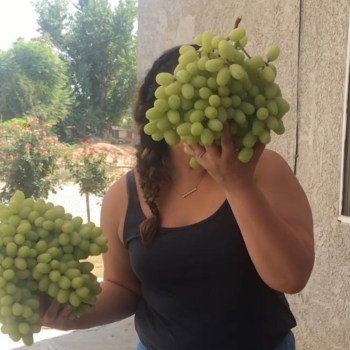
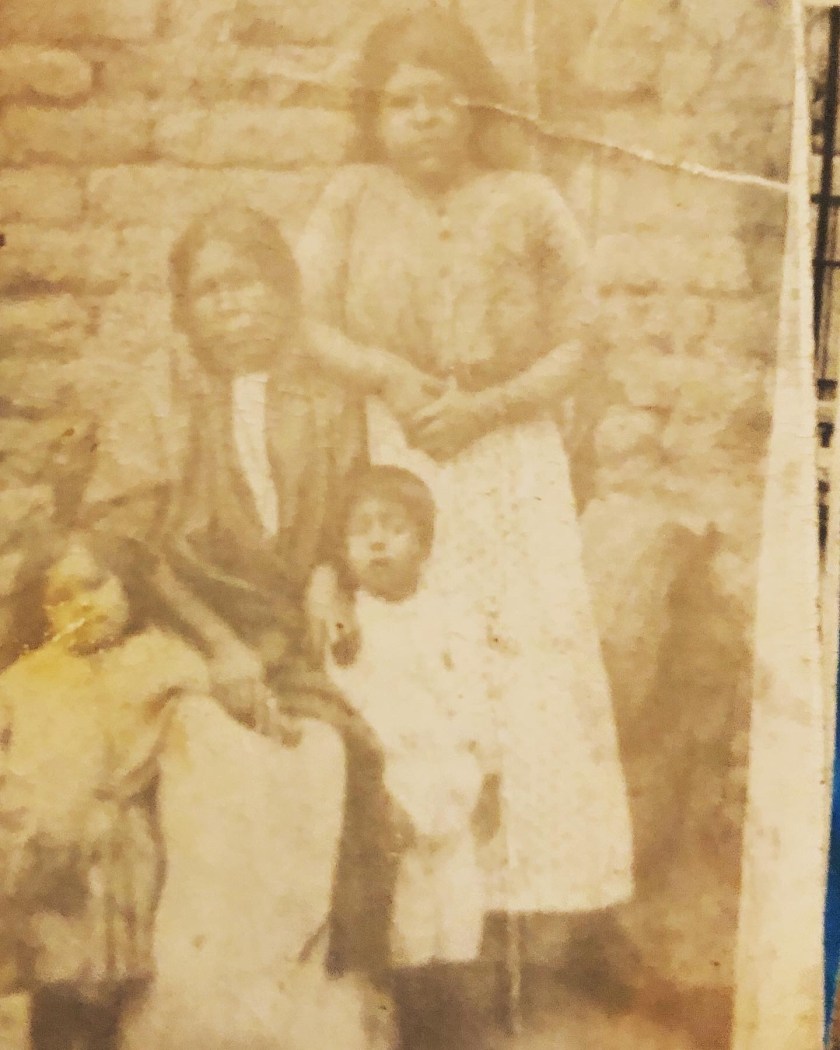
 During my brief time in Mexico this past week, I felt compelled to find my family.
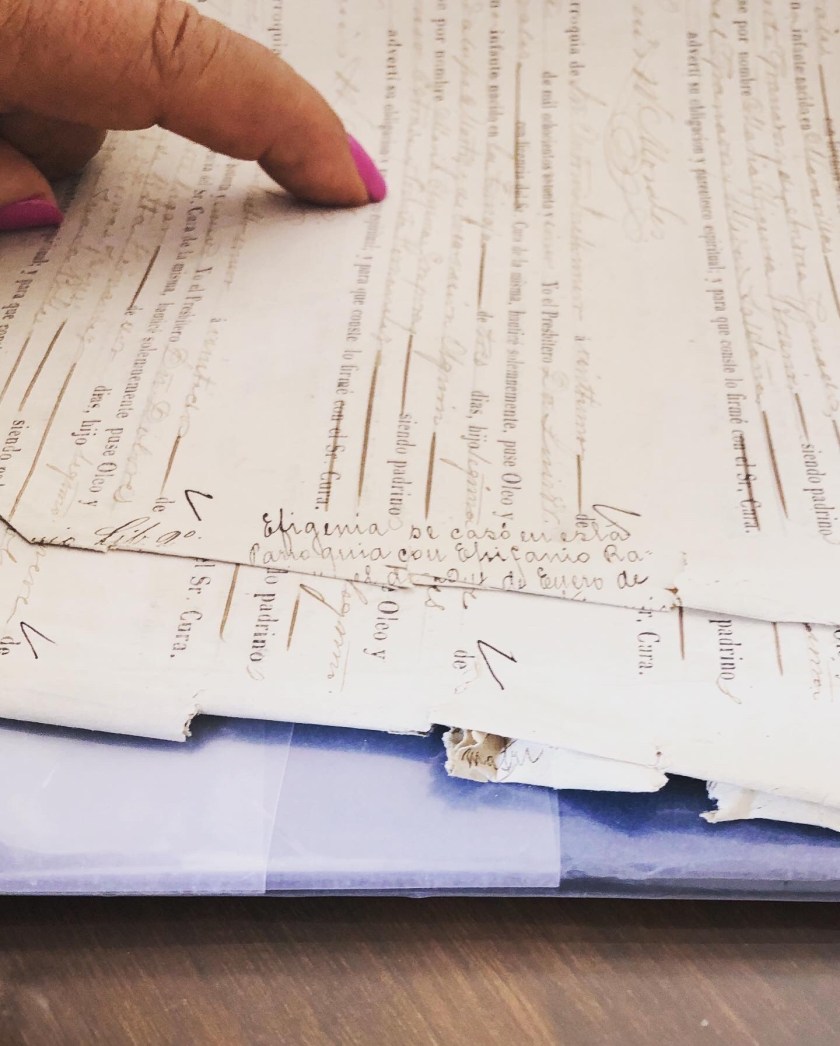
My mom and I went to the civil registry and requested the local church’s baptism records.
My great-grandparents passed early and my mom was born in my grandma’s later years. So mom knew very little about them, let alone her own great-grandparents.
We’re often not taught to find value in our own histories.
When my grandma and her brother passed, important documents were thrown out or burned by my mom.
We pieced what she knew from memory and made many guesstimates.
We didn’t get very far and weren’t able to trace my great-grandparents.
We did, however, make it back to the 1870s and found many family members we never knew of. It was a challenge to try to make out the information on faded handwritten registry. So there’s a big chance we don’t even have the correct information.
I don’t know what we’ll do with what we find.
One thing I do know, is they can be commemorated through story.
I want to know who’s shoulders we stand on.
I want to feel the weight of history they carried with them.
I want to know the happiness and trauma that shapes us.
I’d hate for them to continue lost in memory. I’d hate to leave our future family with the same memoryless canvass.
I know it’s a privilege to even get this far. Many communities in Latin America lost their records when they had to flee due to civil war or turmoil leading to constant migration. Maybe the curtain of history is too painful to even peel back for some of you. Perhaps documentation status is holding you back from accessing the holders of information. If that’s your case, know that I feel for you.
Anyway, I wanted to share this process with you all.
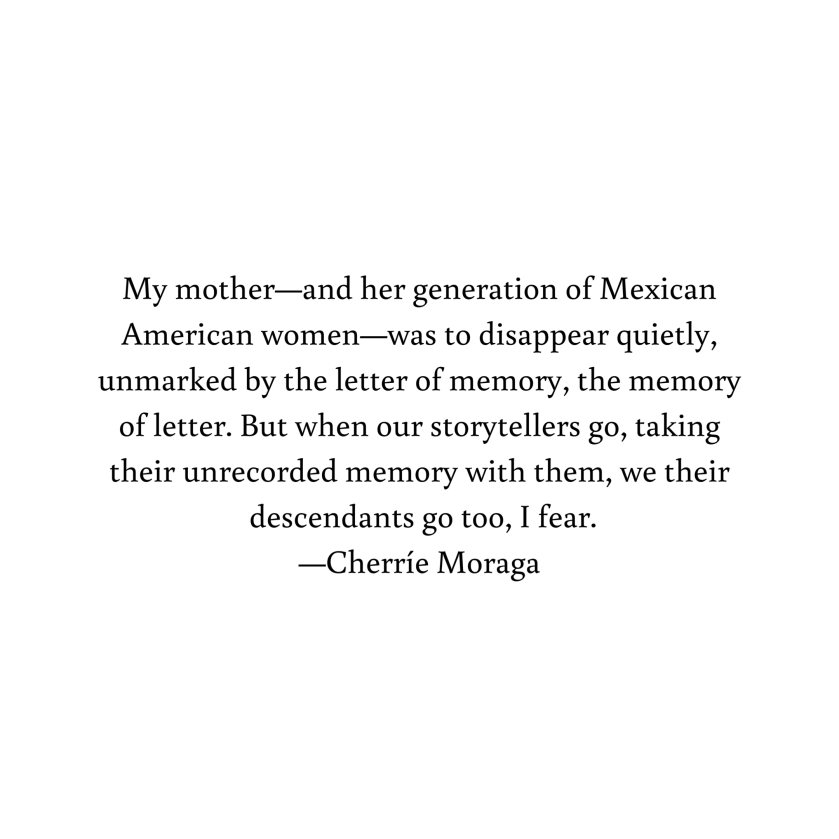
Here is a quote from Cherríe Moraga that resonates with me.
Durante mi breve tiempo en México la semana pasada, me sentí obligado a encontrar a mi familia.
Mi madre y yo fuimos al registro civil y solicitamos los registros de bautismo de la iglesia local.
Mis bisabuelos fallecieron temprano y mi madre nació en los años posteriores de mi abuela. Entonces mamá sabía muy poco sobre ellos, y mucho menos sus propios bisabuelos.
A menudo no se nos enseña a encontrar valor en nuestras propias historias.
Cuando mi abuela y su hermano fallecieron, mi madre tiró o quemó documentos importantes.
Recopilamos lo que ella sabía de memoria e hicimos muchas conjeturas.
No llegamos muy lejos y no pudimos rastrear a mis bisabuelos.
Sin embargo, volvimos a la década de 1870 y encontramos muchos miembros de la familia que nunca conocimos. Fue un desafío tratar de distinguir la información en el registro manuscrito descolorido. Por lo tanto, existe una gran posibilidad de que ni siquiera tengamos la información correcta.
Una cosa que sí sé es que se pueden conmemorar a través de la historia.
Quiero saber en qué hombros estamos parados.
Quiero sentir el peso de la historia que llevaron con ellos.
Quiero saber la felicidad y el trauma que nos da forma.
Odiaría que continúen perdidos en la memoria. Odiaría dejar a nuestra futura familia con los mismos lienzos sin memoria.
Sé que es un privilegio llegar tan lejos. Muchas comunidades en América Latina perdieron sus registros cuando tuvieron que huir debido a la guerra civil o la agitación que condujo a una migración constante. Tal vez el telón de la historia sea demasiado doloroso como para incluso despegarlo para algunos de ustedes. Quizás el estado de la documentación le impide acceder a los titulares de la información. Si ese es tu caso, sé que siento por ti.
De todos modos, quería compartir este proceso con todos ustedes.
Aquí hay una cita de Cherríe Moraga que resuena conmigo.
 JMar
JMar 